Durankulak
Durankulak: Archaeology, Nature, and Authenticity
Durankulak is located on the far northern edge of the Bulgarian Black Sea coast, near the border with Romania. It is not a typical resort but is a highly significant destination for archaeology and nature. It lies in the Dobrudja region, known as Bulgaria's 'golden land' for its agriculture . The area is ideal for travelers seeking a quiet, authentic, uncommercialized coastal experience.
Historical & Natural Significance
The area is most famous for the Durankulak Lake Island, the site of a prehistoric settlement dating back to 5000 BC, one of the oldest known settlements in Europe . The adjacent Durankulak Lake is a protected wetland, making the area important for birdwatching and ecology.
The Beach Experience
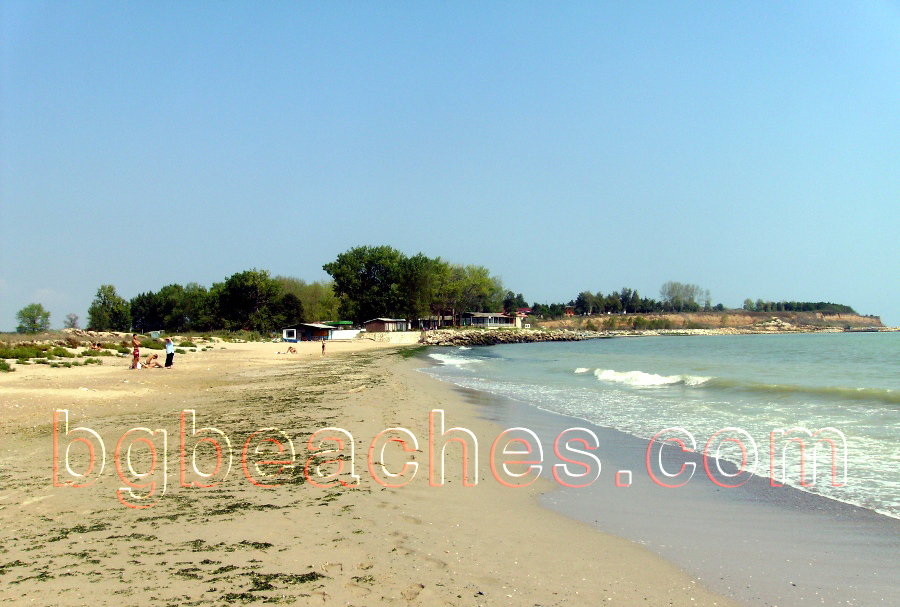
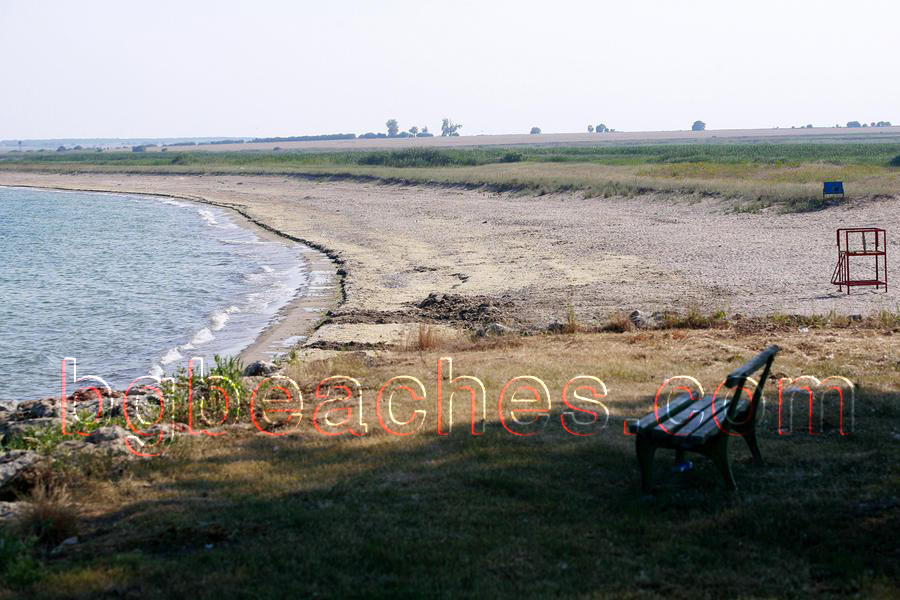
The beach features fine to medium sand but is often characterized by its natural, unmanicured state, including seaweed and fauna, which may result in less clear water. Commercial facilities are minimal , catering to visitors who prioritize nature over resort amenities. It is a peaceful beach, far from the large crowds of major resorts.
What to Expect
Expect a strong sense of local life, with a focus on fishing and agriculture. The atmosphere is quiet, rustic, and very traditional. The coastal scenery is often described as scenic and timeless, suitable for photography and quiet reflection.
Practical Tips
Visitors should bring most necessary supplies, as services are limited. Accommodation is mainly found in small guesthouses. The nearest major airport is Varna (VAR). The best time to visit for swimming is June to September, but the shoulder months offer a better balance of weather and tranquility for exploring the ruins and nature.
Photo Gallery
-
Wheat at Durankulak
-
Local Fisherman at Durankulak
-
Dobrudja's Golden Land near Durankulak
-
Sea-Style Fence at Durankulak
-
Ancient Ruins at Durankulak (5000 BC)
-
Durankulak Ruins - Secondary View
-
Durankulak Beach (Natural Condition)
-
Limited Beach Facilities at Durankulak
-
Durankulak Beach (Cleaner Section)
-
Local Work Scene at Durankulak
-
Scenic Setting at Durankulak
-
Lada on Durankulak Beach (Local Transport)
-
Romanian Beach2 at Durankulak
-
Beginning Beach at Durankulak
-
Border Beach at Durankulak
-
Cart On The Beach at Durankulak
-
Carters Attention at Durankulak
-
Endless Beach at Durankulak
-
Exemplary Home at Durankulak
-
Kid at Durankulak
-
Lake at Durankulak
-
Love at Durankulak
-
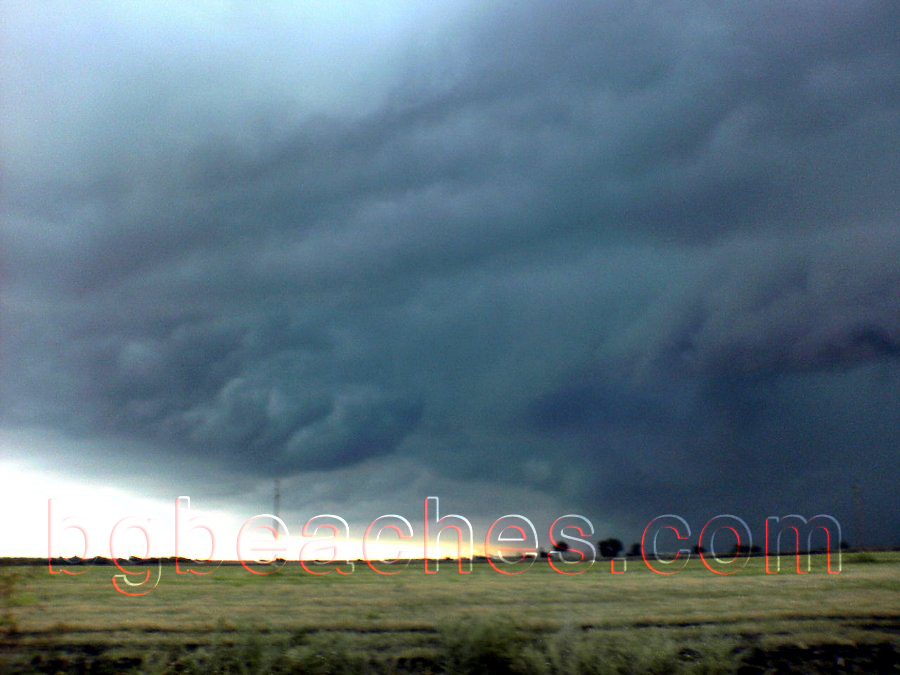
Storm At Durankulak at Durankulak
-
View at Durankulak
-
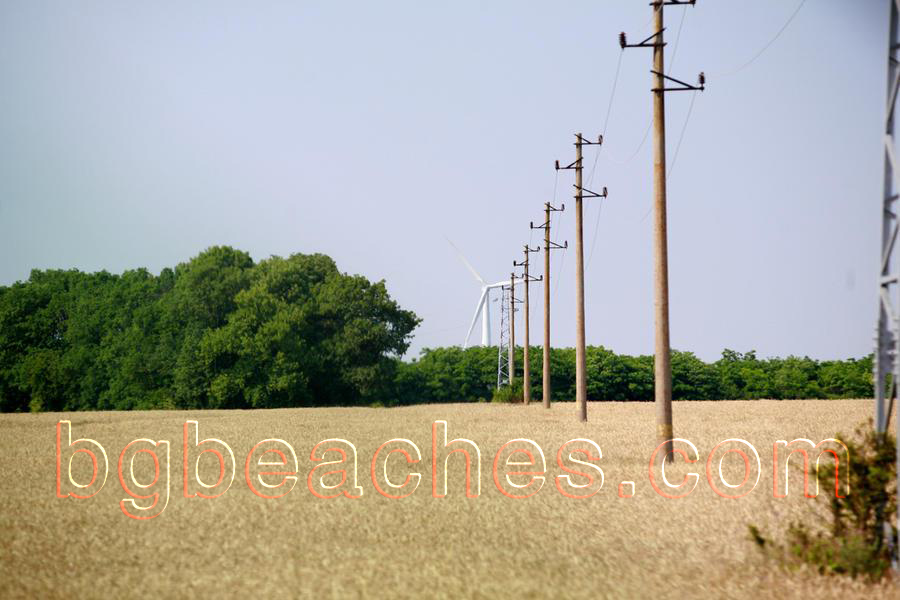
Wires at Durankulak


Detailed Photo Descriptions
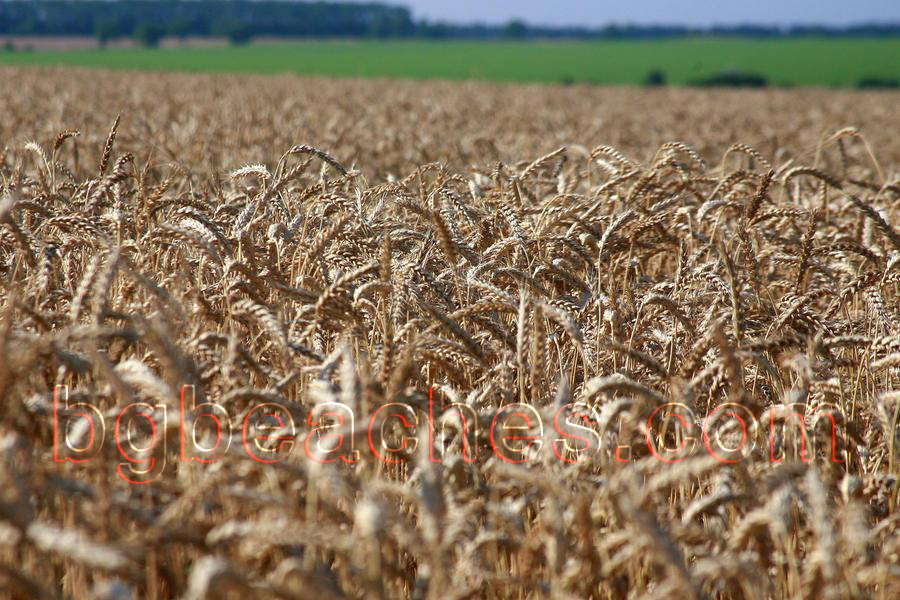
1. Wheat at Durankulak
This photo shows expansive wheat fields extending toward the horizon, emphasizing Durankulak's unique location in Dobrudja (also spelled Dobrudzha or Dobrogea), the region known as the 'golden land' or 'breadbasket' of Bulgaria and one of the country's most important agricultural areas producing up to 40% of Bulgaria's grain harvest. This agricultural landscape highlights the rural, non-commercialized character of the region, creating a stark and refreshing contrast to the heavily developed major beach resorts found elsewhere along Bulgaria's coast. The Dobrudja plateau extends inland from the coast, featuring extremely fertile black earth soils (chernozem) that are among Europe's most productive agricultural lands, with topsoil depths reaching 80-120 centimeters. These exceptional soils formed over millennia through the accumulation of organic matter from steppe grasslands and are naturally rich in nutrients, requiring minimal fertilizer inputs for high wheat yields. The wheat fields visible in the photograph represent Bulgaria's agricultural heritage and ongoing economic importance, as grain exports constitute a significant portion of the national agricultural economy. The flat terrain allows for efficient large-scale mechanized farming, and during late June and early July, the wheat fields turn golden-yellow creating spectacular landscapes that attract landscape photographers and agricultural tourists. The harvest season brings massive combines working day and night to gather the grain before summer rains can damage the crop. This agricultural landscape creates a unique atmosphere for Durankulak as a coastal destination - visitors can literally swim in the Black Sea in the morning and walk through golden wheat fields in the afternoon, experiencing two completely different ecosystems within minutes. The rural character means Durankulak and its surroundings maintain authentic village life, traditional Bulgarian culture, and hospitality largely unchanged by mass tourism. Local restaurants serve fresh vegetables and dairy products from nearby farms, bread baked from locally-milled flour, and traditional recipes passed through generations. The agricultural focus also means accommodation prices remain remarkably affordable compared to resort towns, making Durankulak an excellent destination for budget travelers seeking authentic Bulgarian coastal experiences. The open agricultural landscapes support diverse wildlife including numerous bird species that feed in the fields - larks singing overhead, storks nesting on electricity poles, raptors hunting for rodents, and during migration seasons, vast flocks of geese and cranes stopping to feed on grain stubble. For visitors interested in agrotourism, some local farms offer opportunities to participate in traditional activities, purchase fresh produce, and learn about Bulgarian agricultural practices.
Agricultural fields of wheat near Durankulak.
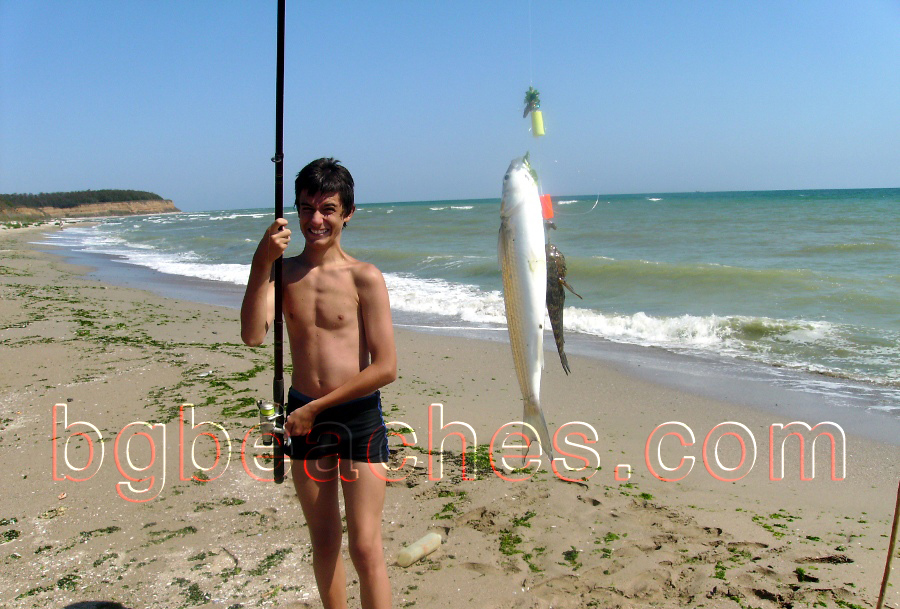
2. Local Fisherman at Durankulak
This image of a young fisherman displaying his catch highlights the authentic local life and the continuing importance of traditional fishing in Durankulak's community, providing visitors with a valuable glimpse into the traditional coastal economy and lifestyle that persists in this northern Bulgarian village despite modernization elsewhere. The fishing culture in Durankulak has ancient roots extending back millennia, as archaeological evidence from the nearby Durankulak settlement site shows that fishing was central to local survival and economy from Neolithic times through the present day. The Black Sea waters off Durankulak support diverse fish populations including turbot (kalkan), which is highly prized and commands premium prices in Bulgarian markets, horse mackerel (safrid), one of the most commonly caught species particularly during summer months, sprat (tsatsa), small schooling fish that support both commercial fishing and larger predator populations, bluefish (lufar), a seasonal visitor that creates intense fishing activity when schools arrive, and goby species, numerous in both freshwater Durankulak Lake and the adjacent sea. The fisherman in the photograph likely represents either a commercial fisher from one of the small family-operated boats that work these waters, or a recreational fisher enjoying the excellent angling conditions that Durankulak offers. The area is renowned among Bulgarian fishing enthusiasts for shore fishing from rocky areas where the Black Sea coast meets Durankulak Lake outflow, boat fishing in deeper waters 1-2 kilometers offshore targeting larger species, and lake fishing in Durankulak Lake itself, which connects to the sea and hosts both freshwater and saltwater species. Traditional fishing methods still used in Durankulak include set nets positioned overnight and checked at dawn, longline fishing with multiple baited hooks for turbot, and beach seining with nets drawn through shallow water by teams working from shore. Modern fishers have largely adopted motorized boats and synthetic nets, but the fundamental rhythms of fishing life remain unchanged - early morning departures, several hours at sea, return to shore with the catch, and immediate sale or ice storage. For visitors, the active fishing culture creates opportunities to purchase extremely fresh fish directly from fishermen when they return (usually 8-10 AM), observe traditional fish cleaning and preparation techniques, learn about Black Sea marine ecology from people with intimate knowledge, and occasionally arrange fishing excursions with local boat owners for authentic experiences. The economic importance of fishing in Durankulak, while less dominant than in previous centuries, still provides livelihoods for several families and contributes significantly to local restaurant supply chains. The photograph captures a moment of pride and satisfaction that connects modern Durankulak with its ancestral fishing heritage, illustrating how traditional activities persist alongside the emerging tourism economy.
Young fisherman enjoys his catch at Durankulak.
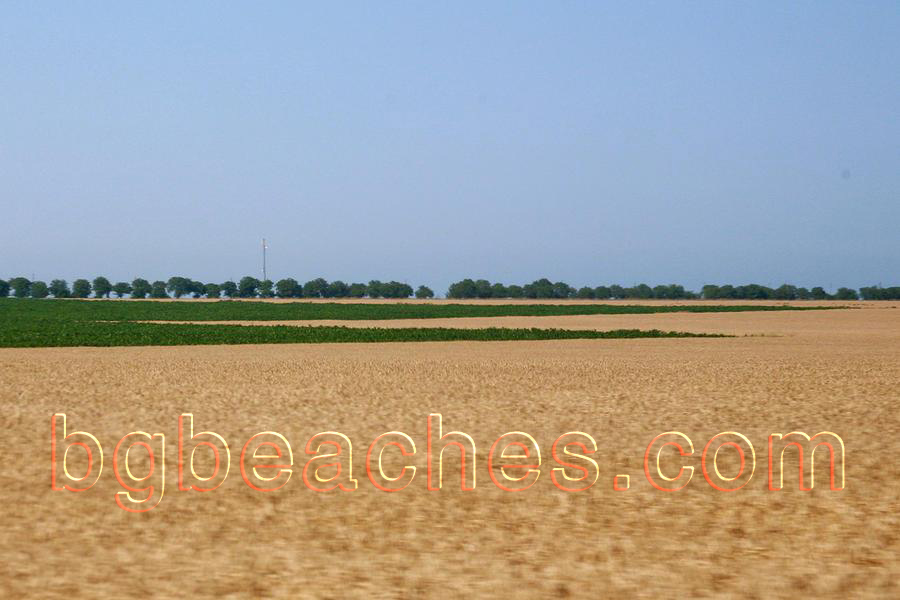
3. Dobrudja's Golden Land near Durankulak
This photo emphasizes Durankulak's geographical context within Dobrudja, the 'golden land' known for its prolific wheat and agriculture. This connection firmly establishes the village's identity as being tied to both the sea and the land.
Dobrudja, part of which is Durankulak, is the golden land of Bulgaria where most of the wheat come from.
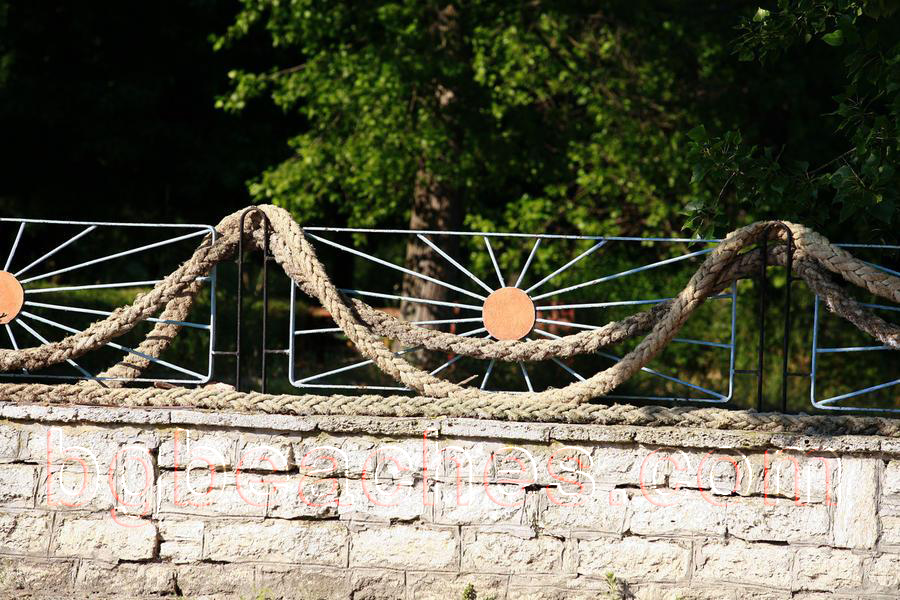
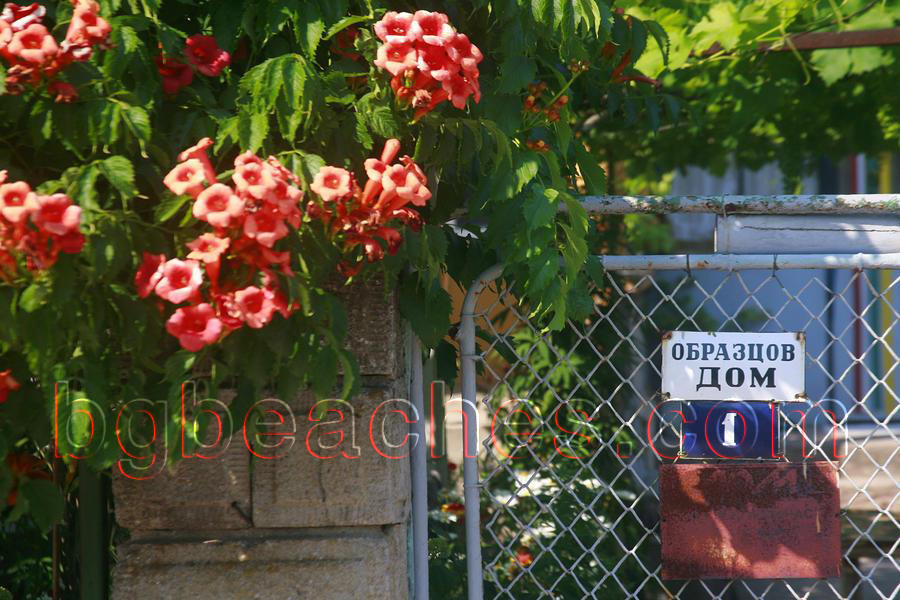
4. Sea-Style Fence at Durankulak
This image captures a detail—a fence with a 'sea style'—illustrating the simple, vernacular aesthetic and the effort to incorporate coastal themes into the local architecture and decor.
Even the fence has a sea style.
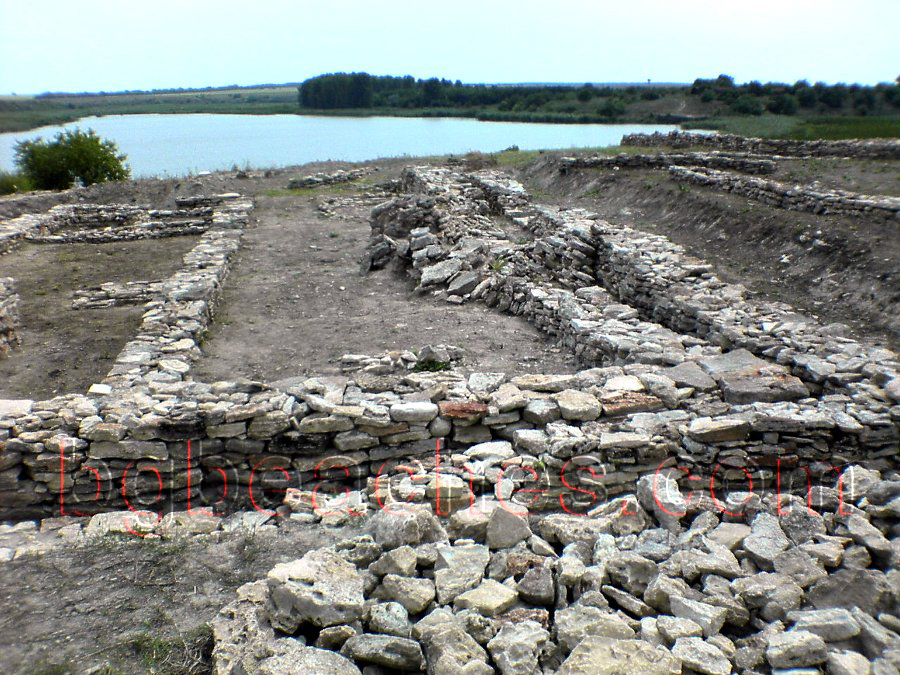
5. Ancient Ruins at Durankulak (5000 BC)
This photograph shows the famous archaeological ruins at Durankulak, dating back to 5000 BC. These are the dwelling places of ancient farmers and represent one of the oldest known human settlements in Europe .
Durankulak is famous for its archaeological ruins. They take you back in time to 5 000 years b.c. in the dwelling places of ancient farmers.
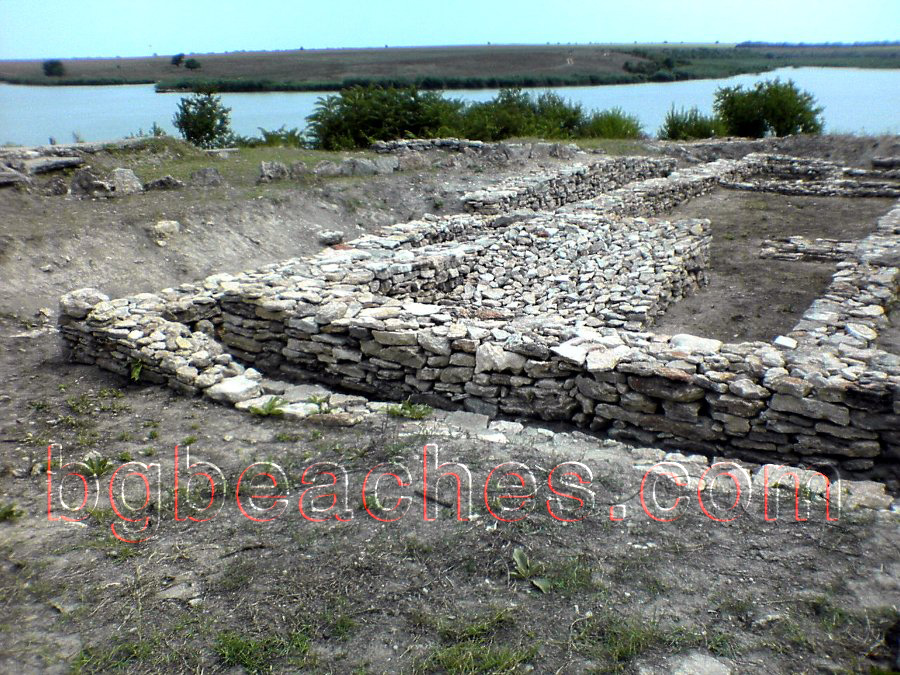
6. Durankulak Ruins - Secondary View
This second view of the Durankulak ruins further emphasizes the site's vastness and historical depth, reinforcing its status as a major European archaeological point of interest.
A second view of the Durankulak archaeological ruins.
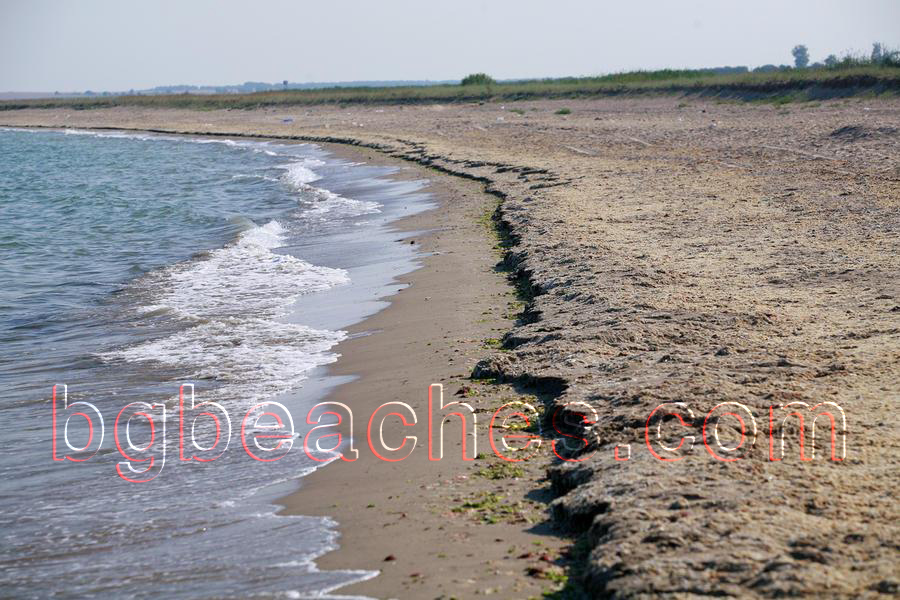
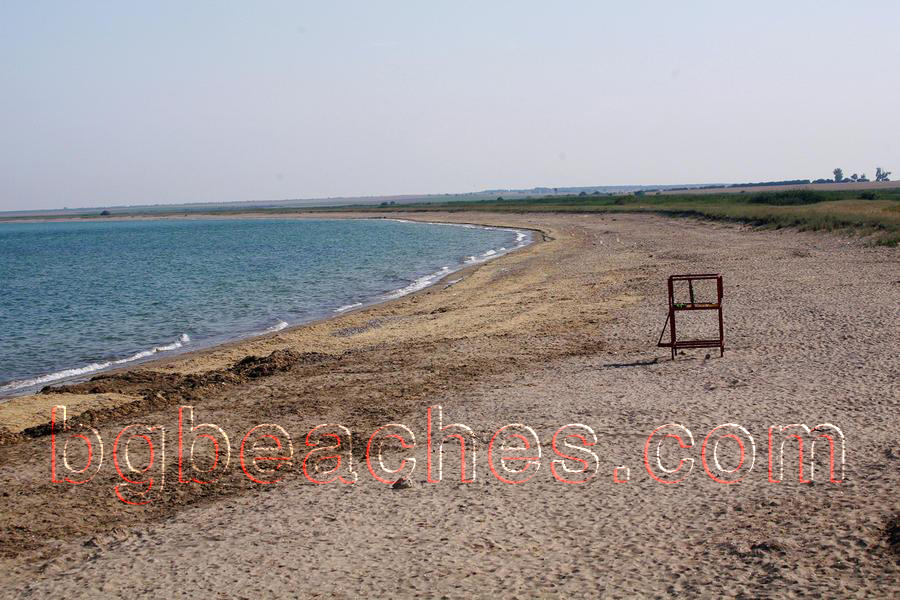
7. Durankulak Beach (Natural Condition)
This photograph provides a realistic view of the beach, noting the presence of seaweed, flora, and muddy water. This honest depiction explains why Durankulak is not a popular mass tourist destination—it is a wild, natural beach, not a maintained resort beach.
If you take a closer look, you will see there is not just sand on the beach. There is lots of seaweed and other flora and fauna. It is the same in the water - quite muddy... Also it smell a bit funky... These are some of the reasons Durankolak is not a popular touristic destination.
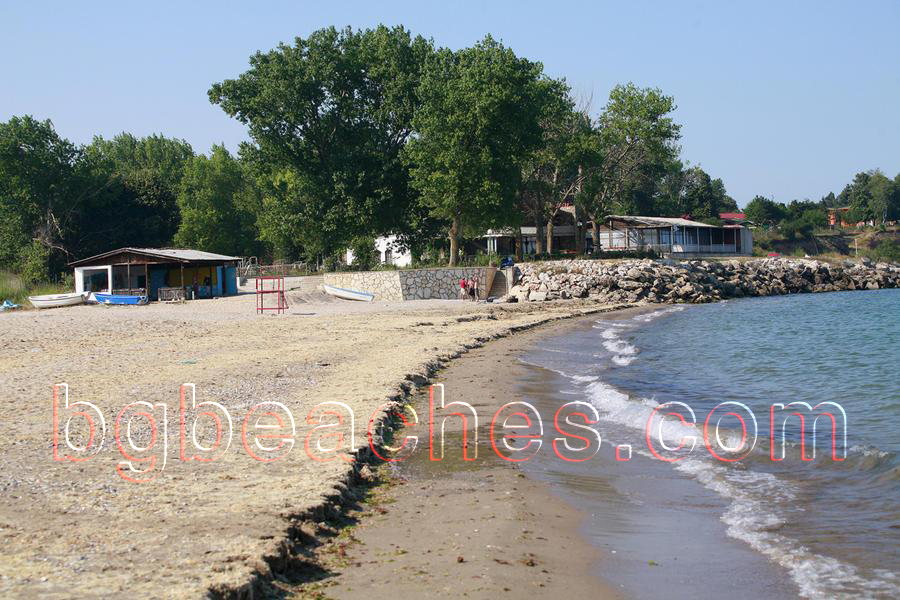
8. Limited Beach Facilities at Durankulak
This photo, described as showing the 'only bars' in the area, emphasizes the lack of commercial development and minimal beach facilities. It confirms Durankulak is a destination for those seeking simplicity, not nightlife or extensive services.
These are the only bars at Durankulak.
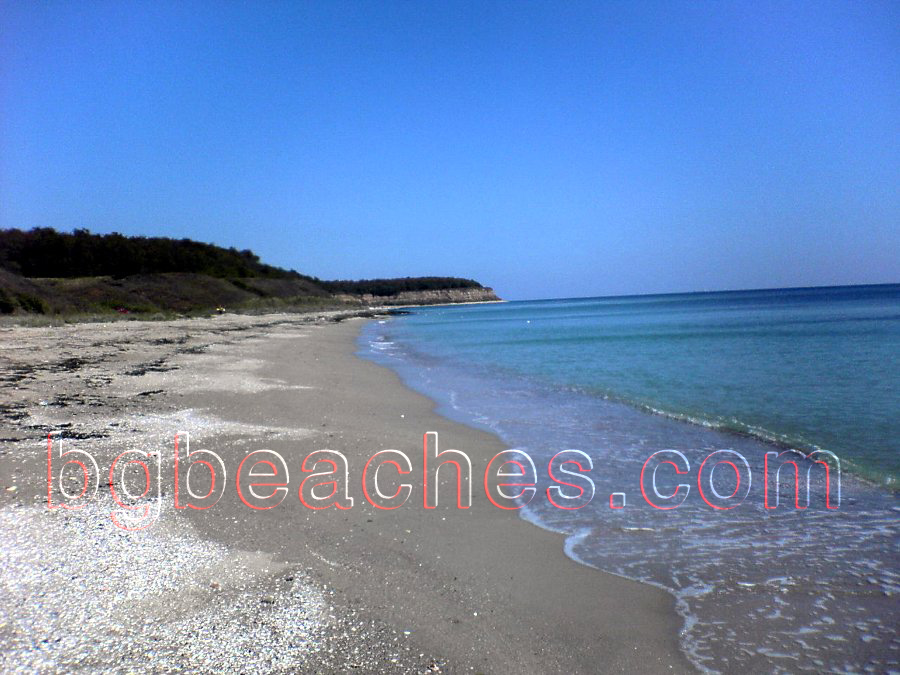
9. Durankulak Beach (Cleaner Section)
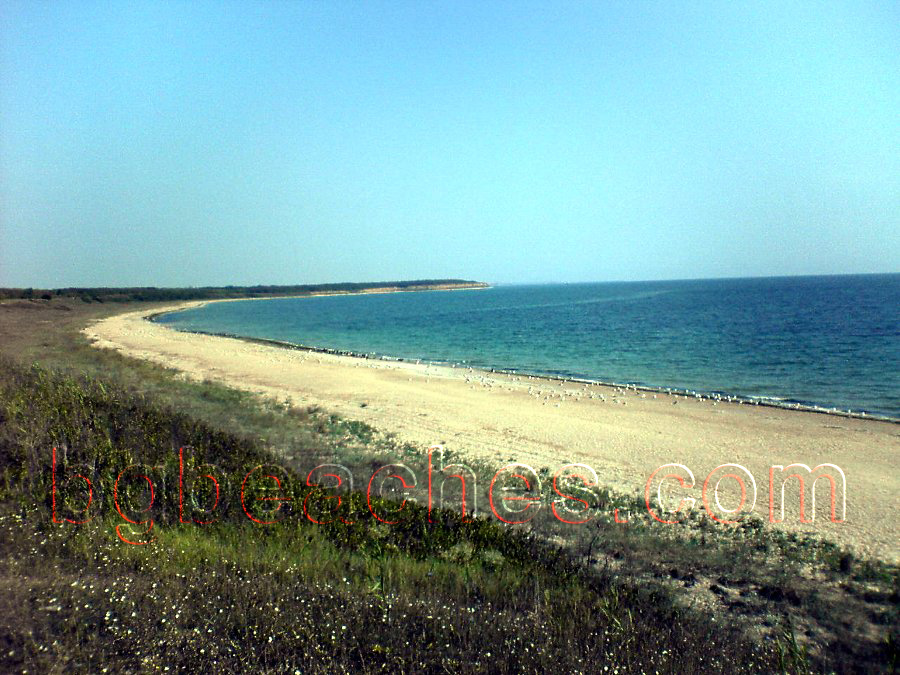
This alternative view shows a cleaner section of the Durankulak beach, confirming that the sand quality is good in some areas and allowing for typical beach activities.
Another view of Durankulak's beach and its cleaner part.
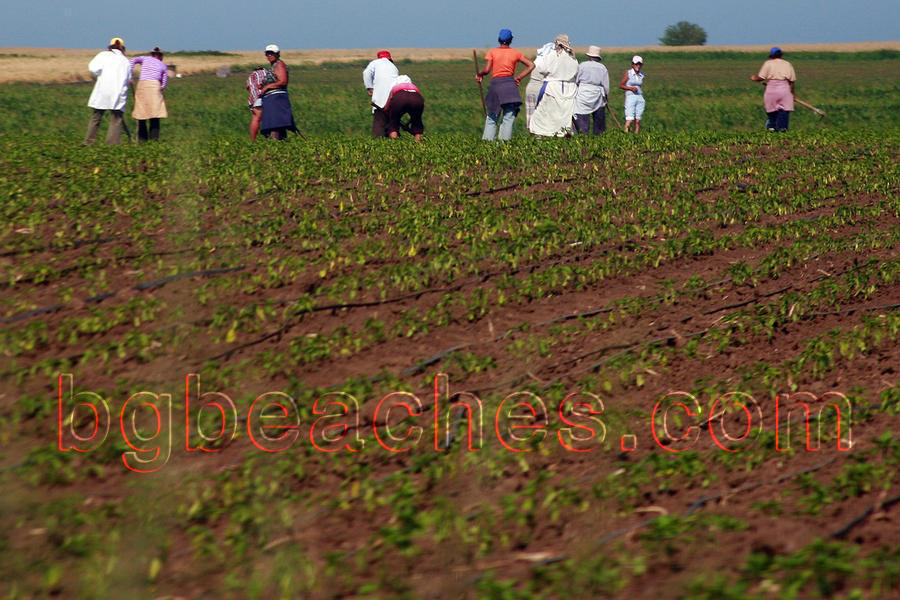
10. Local Work Scene at Durankulak
This image captures a scene of local work or activity, reinforcing the authentic, working-village nature of Durankulak, where coastal life is mixed with agricultural routines.
A typical scene of local activity or work near the Durankulak coast.
11. Scenic Setting at Durankulak
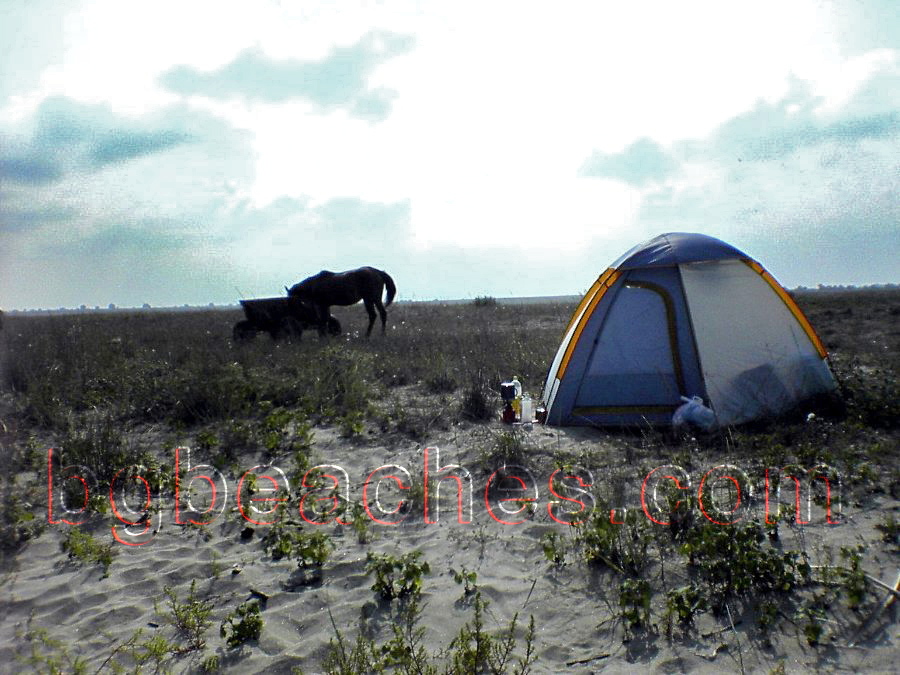
The commentary notes the area's suitability for 'making movies,' emphasizing its photogenic, preserved, and timeless scenery. This reinforces the idea of Durankulak as a unique and largely undeveloped coastal landscape.
Durankulak is suitable for making movies and this photo shows a scene.
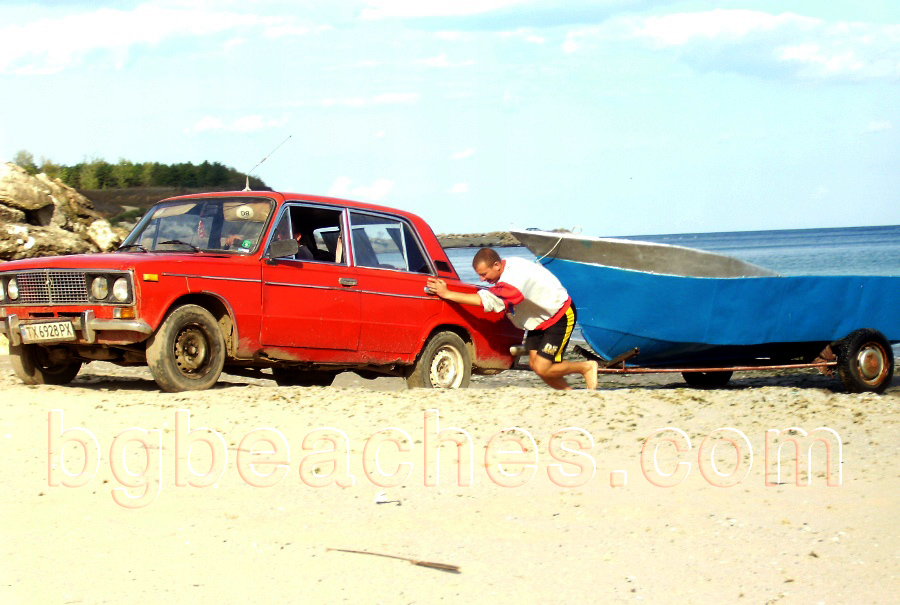
12. Lada on Durankulak Beach (Local Transport)
This picture of a classic Lada 1600 on the sand, pulling a boat, highlights the rustic, resourceful, and undeveloped nature of the beach. It suggests a relaxed approach to beach access and a charmingly retro atmosphere.
With a little help, one of USSR's best selling cars - Lada 1600 not only goes through the sands but also pulls a boat behind.
13. Romanian Beach2 at Durankulak
This photograph captures Romanian Beach2 at Durankulak. It shows the characteristic scenery of Durankulak, helping visitors understand the local beach, amenities, and atmosphere.
14. Beginning Beach at Durankulak
This photograph captures Beginning Beach at Durankulak. It shows the characteristic scenery of Durankulak, helping visitors understand the local beach, amenities, and atmosphere.
15. Border Beach at Durankulak
This photograph captures Border Beach at Durankulak. It shows the characteristic scenery of Durankulak, helping visitors understand the local beach, amenities, and atmosphere.
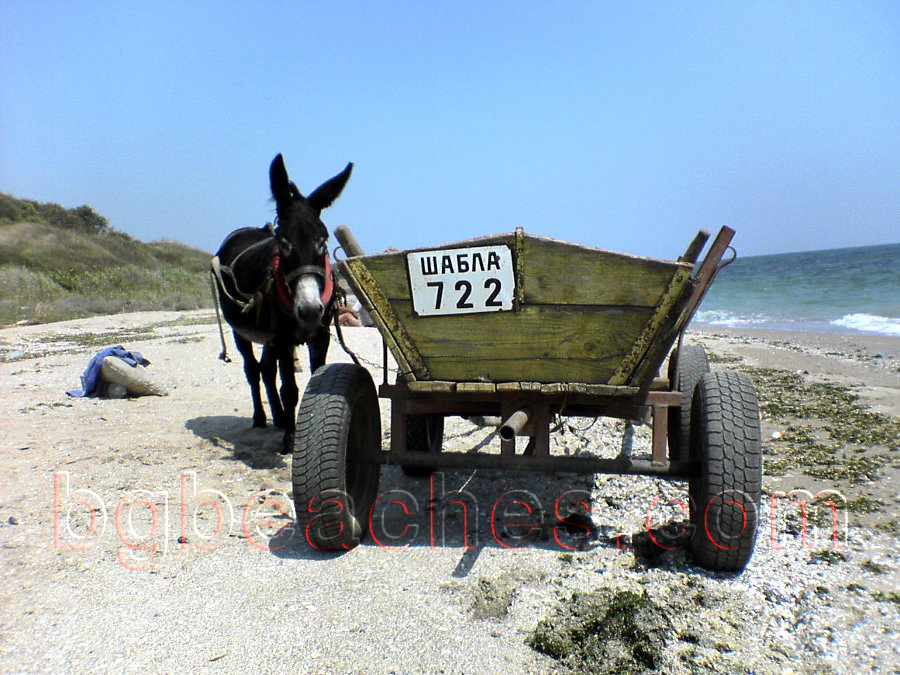
16. Cart On The Beach at Durankulak
This photograph captures Cart On The Beach at Durankulak. It shows the characteristic scenery of Durankulak, helping visitors understand the local beach, amenities, and atmosphere.
17. Carters Attention at Durankulak
This photograph captures Carters Attention at Durankulak. It shows the characteristic scenery of Durankulak, helping visitors understand the local beach, amenities, and atmosphere.
18. Endless Beach at Durankulak
This photograph captures Endless Beach at Durankulak. It shows the characteristic scenery of Durankulak, helping visitors understand the local beach, amenities, and atmosphere.
19. Exemplary Home at Durankulak
This photograph captures Exemplary Home at Durankulak. It shows the characteristic scenery of Durankulak, helping visitors understand the local beach, amenities, and atmosphere.
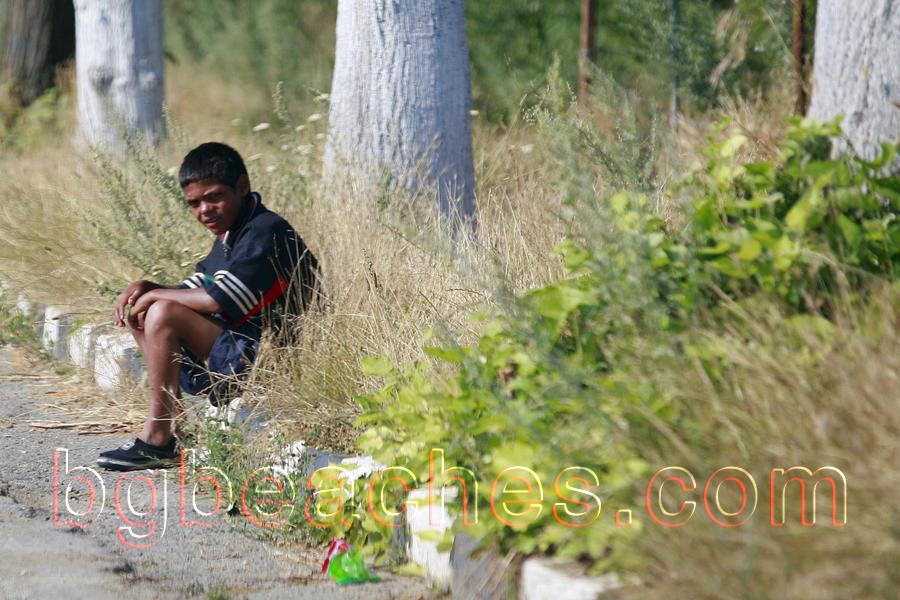
20. Kid at Durankulak
This photograph captures Kid at Durankulak. It shows the characteristic scenery of Durankulak, helping visitors understand the local beach, amenities, and atmosphere.
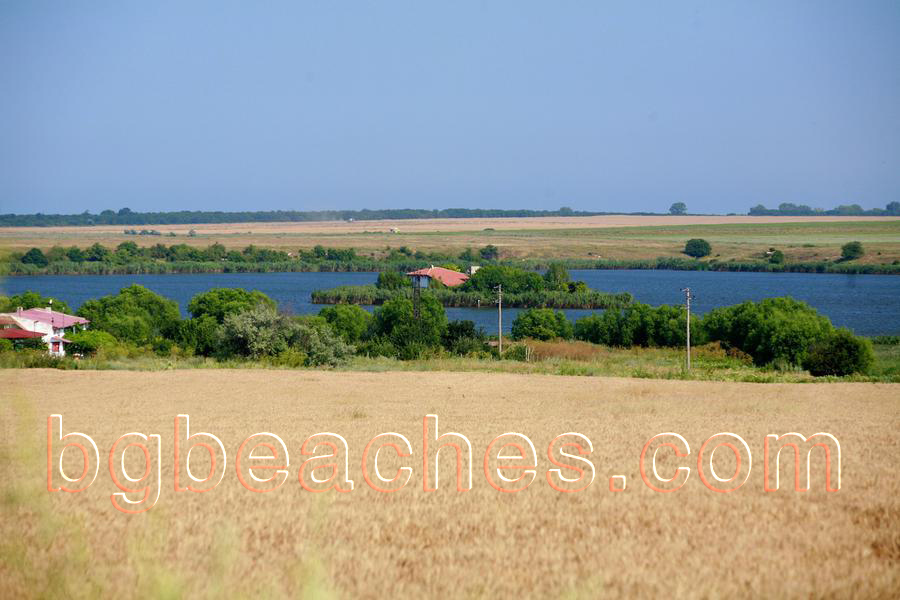
21. Lake at Durankulak
This photograph captures Lake at Durankulak. It shows the characteristic scenery of Durankulak, helping visitors understand the local beach, amenities, and atmosphere.
22. Love at Durankulak
This photograph captures Love at Durankulak. It shows the characteristic scenery of Durankulak, helping visitors understand the local beach, amenities, and atmosphere.
23. Storm At Durankulak at Durankulak
This photograph captures Storm At Durankulak at Durankulak. It shows the characteristic scenery of Durankulak, helping visitors understand the local beach, amenities, and atmosphere.
24. View at Durankulak
This photograph captures View at Durankulak. It shows the characteristic scenery of Durankulak, helping visitors understand the local beach, amenities, and atmosphere.
25. Wires at Durankulak
This photograph captures Wires at Durankulak. It shows the characteristic scenery of Durankulak, helping visitors understand the local beach, amenities, and atmosphere.
📸 Do you like these photos? ✨Learn to take photos like this professionally! 🎓
Discover the secrets of perfect photography