Reed Beds at Duni
📸 Do you like these photos? ✨Learn to take photos like this professionally! 🎓
Photo Focus: Local Flora
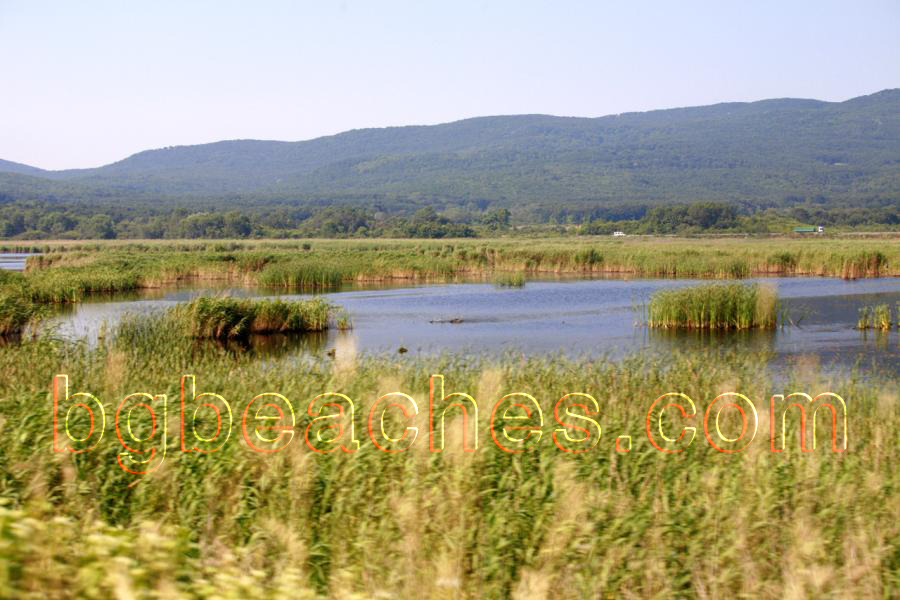
This photo highlights the presence of extensive reed beds (Phragmites australis) and natural wetland vegetation near the beach at Duni, suggesting the area is adjacent to important natural features like coastal lagoons, freshwater marshes, or the transition zone between marine and terrestrial ecosystems. This ecological richness contributes to a diverse ecosystem and creates a more natural feel outside the immediate resort development, adding significant ecological appeal and biodiversity value to the Duni area. The reed beds visible in the photograph are characteristic of the coastal wetlands that occur along this section of Bulgaria's southern Black Sea coast, where freshwater from inland drainage meets saltwater creating brackish conditions that support specialized plant communities. These wetland areas serve multiple critical ecological functions: they provide essential breeding and nesting habitat for numerous waterbird species including herons, egrets, coots, and various duck species; they act as natural water filters, removing pollutants and excess nutrients before they reach the sea; they stabilize coastal soils preventing erosion during storms; and they support diverse invertebrate populations that form the base of coastal food chains. The reeds themselves grow in dense stands reaching heights of 2-4 meters, creating visual screens that separate developed resort areas from wild coastal zones while providing wind protection for beach areas. The rustling sound of wind through reed beds creates a distinctive audio atmosphere that many visitors find relaxing and meditative. For nature enthusiasts, the reed beds and associated wetlands offer excellent opportunities for birdwatching, particularly during spring (April-May) and autumn (September-October) migration periods when thousands of birds use these coastal wetlands as rest and feeding stops along the Via Pontica migration route. Species regularly observed include marsh harriers hunting over the reeds, great white egrets wading in shallow water, and various warbler species calling from within the dense vegetation. The wetlands also support amphibian populations including tree frogs and marsh frogs whose evening choruses provide natural soundtrack during summer nights. The presence of these natural habitats so close to developed resort areas represents a valuable ecological asset that enhances the overall destination appeal for environmentally conscious travelers. Some resort facilities have begun incorporating these natural features into their marketing, offering guided nature walks, birdwatching excursions, and environmental education programs that connect guests with the local ecosystem. The photograph captures the transition zone between human development and natural habitat, illustrating how responsible tourism development can coexist with environmental preservation when planning considers ecological values alongside commercial objectives. For photographers, the reed beds provide excellent subjects during different seasons: fresh green growth in spring, golden-brown mature reeds in autumn, and frost-covered stalks in early winter create diverse visual opportunities.
Visual Context
The image captures a typical element of the natural surroundings at Duni, providing visual context on the area's characteristic features beyond the sand and sea.
About Duni
Duni is a destination along Bulgaria's 378km Black Sea coastline, primarily known for its resort complex but featuring sandy beach areas with fine to medium sand. The area attracts beach lovers, families, and coastal tourists due to its warm summer waters (22-25°C).
Visitor Expectations
Beach amenities are available in the main resort areas during the summer season. Peak months (July-August) bring the warmest air (28-32°C) and water (23-25°C) temperatures, along with the highest visitor numbers. June and September offer better crowd-to-weather ratios.
Nearby Attractions & Activities
Beyond the resort, visitors can enjoy nature walks around the reed areas, water sports, coastal hiking, historical site visits, and traditional village exploration.
Photography & Best Times
The best light for photographing natural elements often occurs during the soft, diffused light of early morning or late afternoon.